Meet your
Inner Wolves.
Eight capacities within you. A way to understand how you perceive, decide and respond—and explore what each situation asks of you.

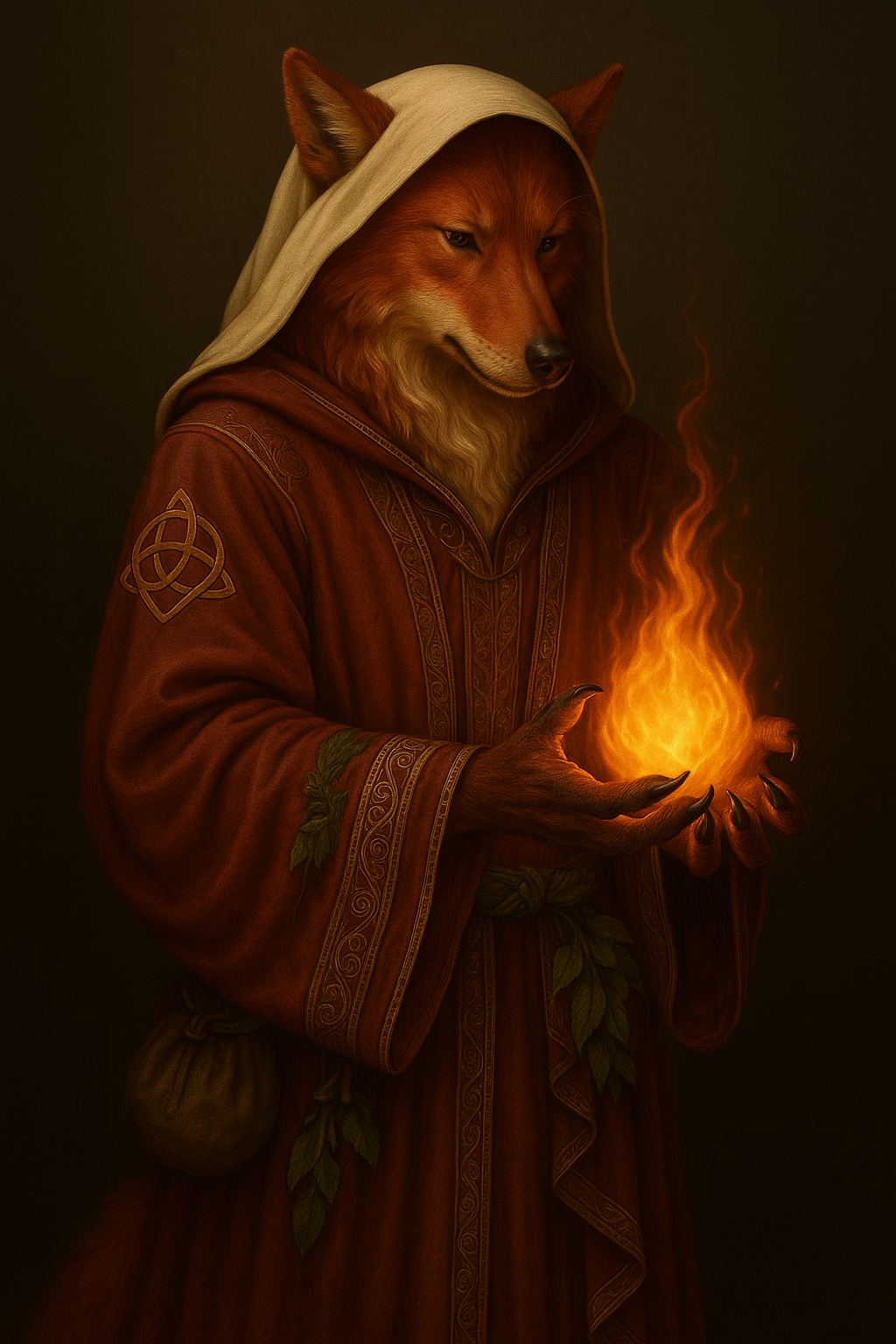
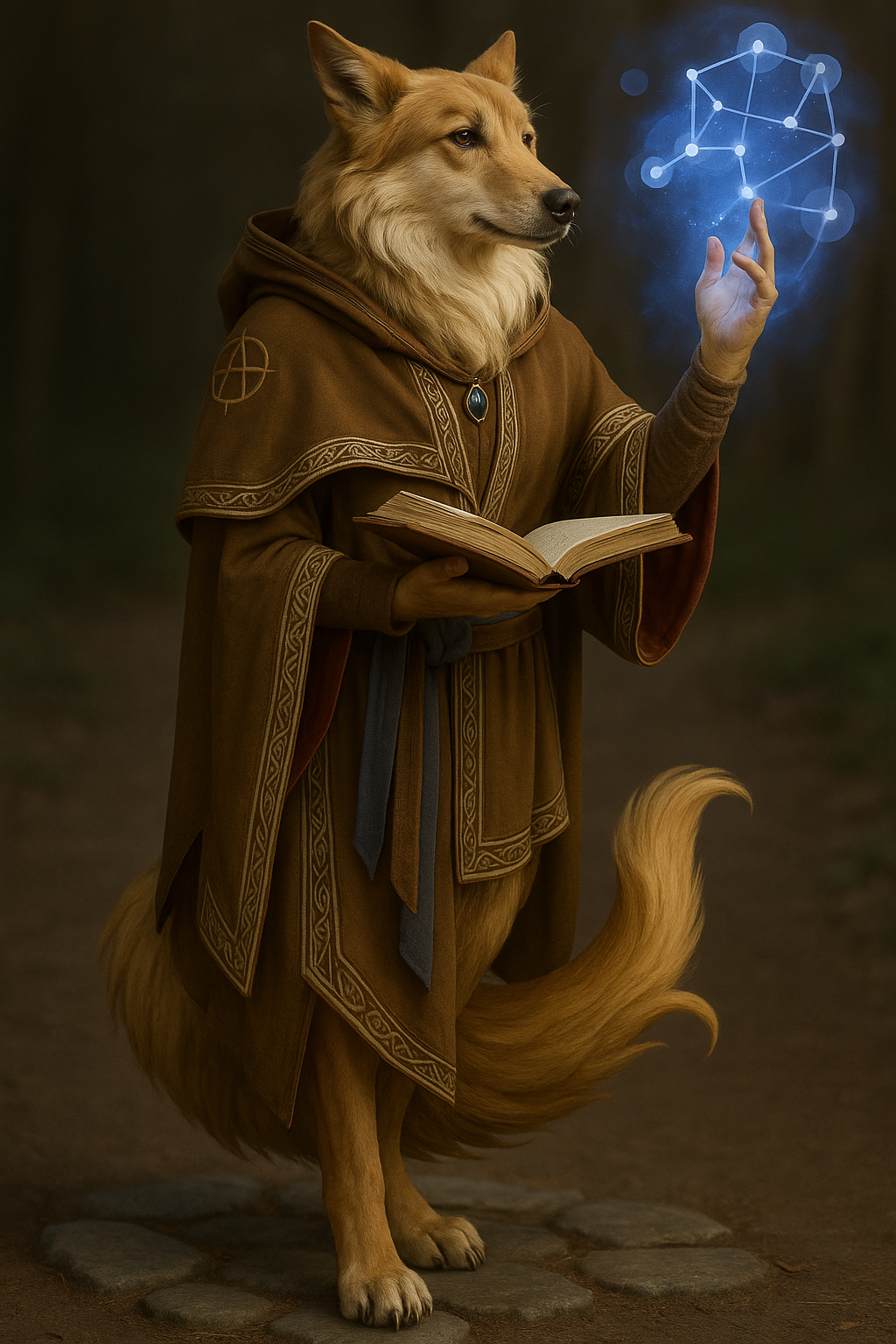
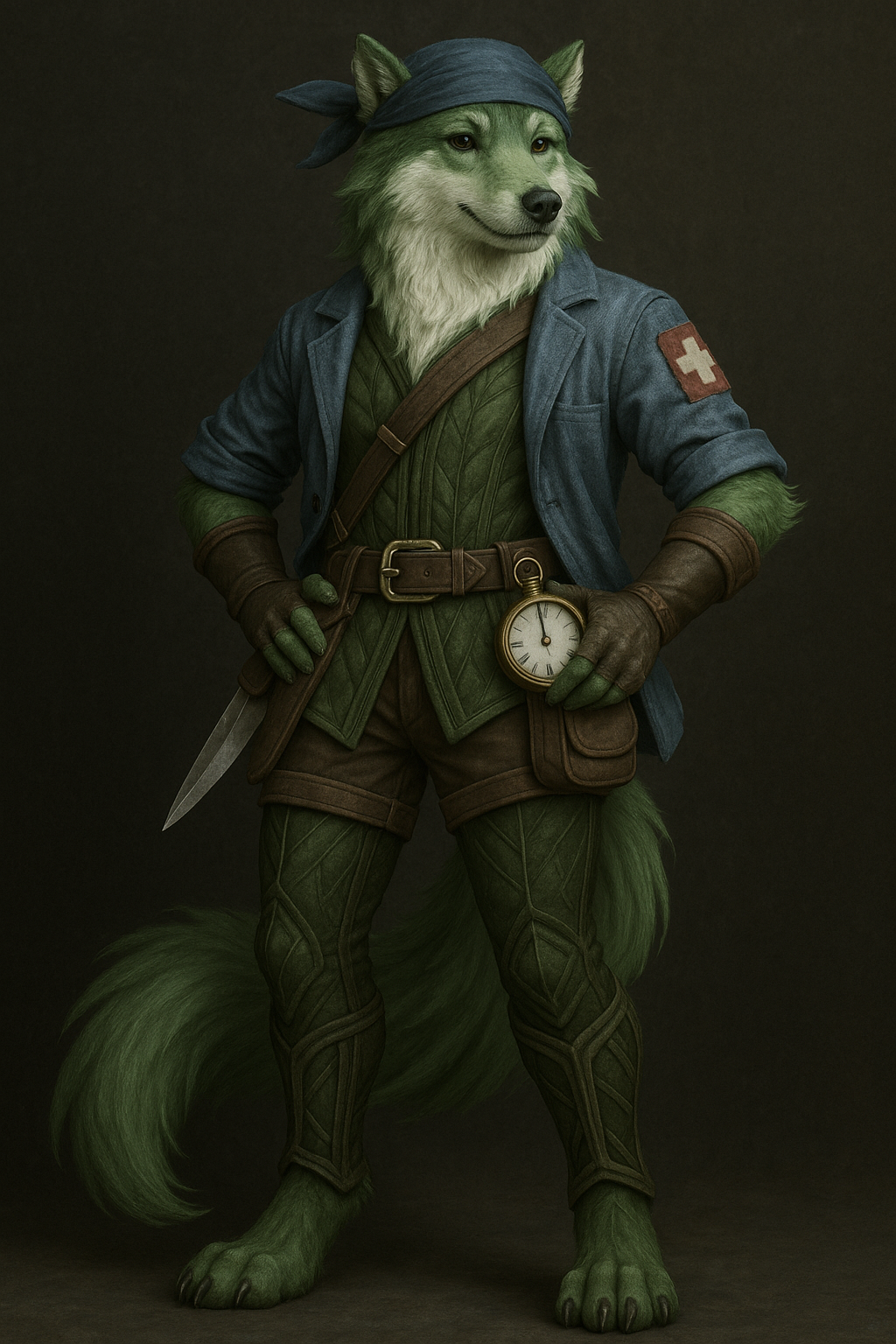
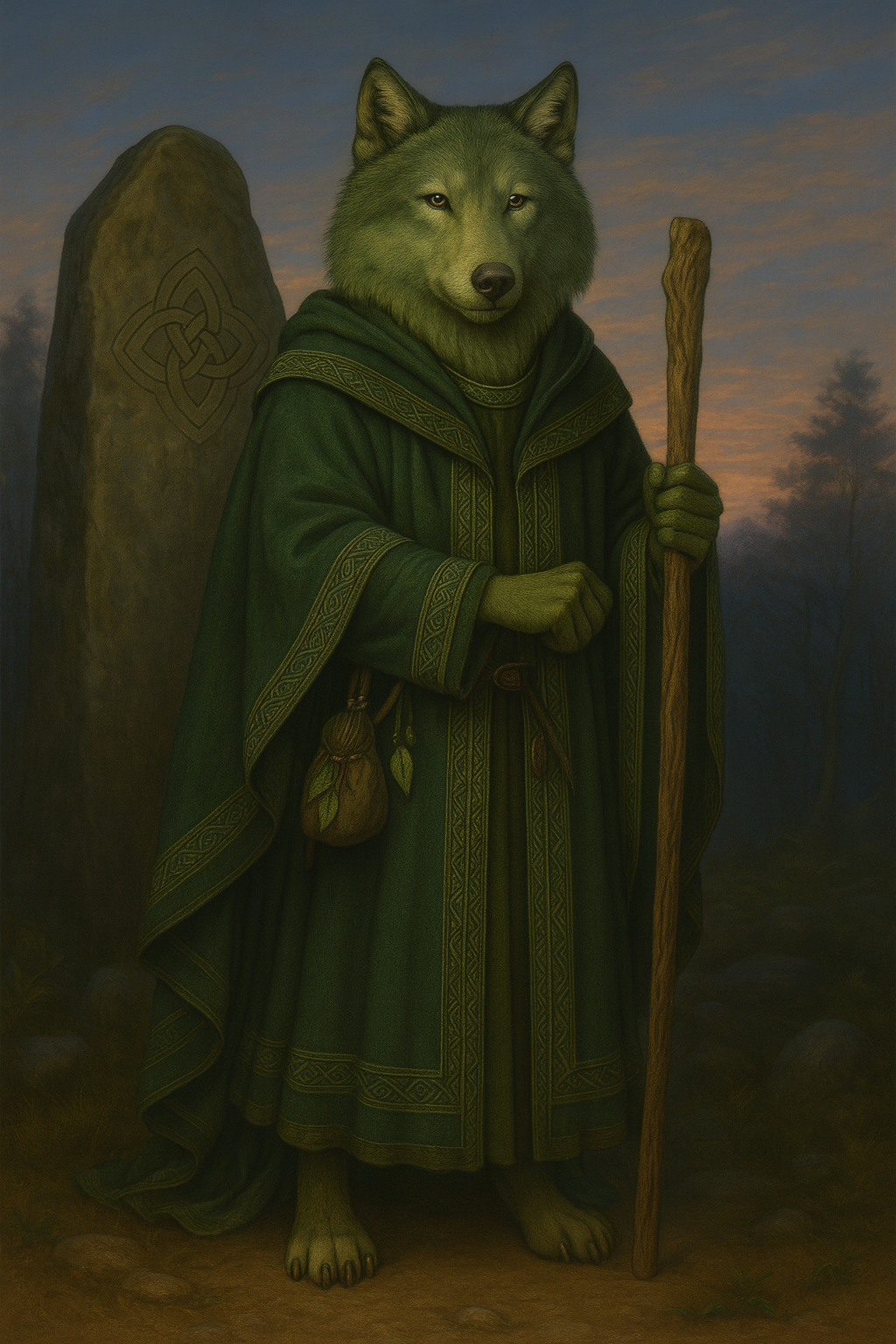
01 / The CouncilAll eight are part of you.
You may already
recognise them.
A meeting. A difficult decision. A change of plan. Different moments invite different capacities—not a different identity.
Clarity
When a discussion needs a more precise question.
Decisive action
When a good intention needs a practical next step.
Possibility
When the familiar approach is not the only way forward.
Connection
When a conversation needs understanding as well as answers.
Integrity
When a decision asks you to consider what matters.
Insight
When a pattern invites a closer look.
Presence
When changing circumstances need your attention now.
Experience
When what you have learned can inform what comes next.
Eight capacities.
One whole Council.
All eight are part of you. Each Wolf brings something useful to the Council—none is bad, and none is missing.
The question is not which Wolf you are, but which capacities a situation invites and how you might draw on them deliberately.
Meet the Eight Wolves →

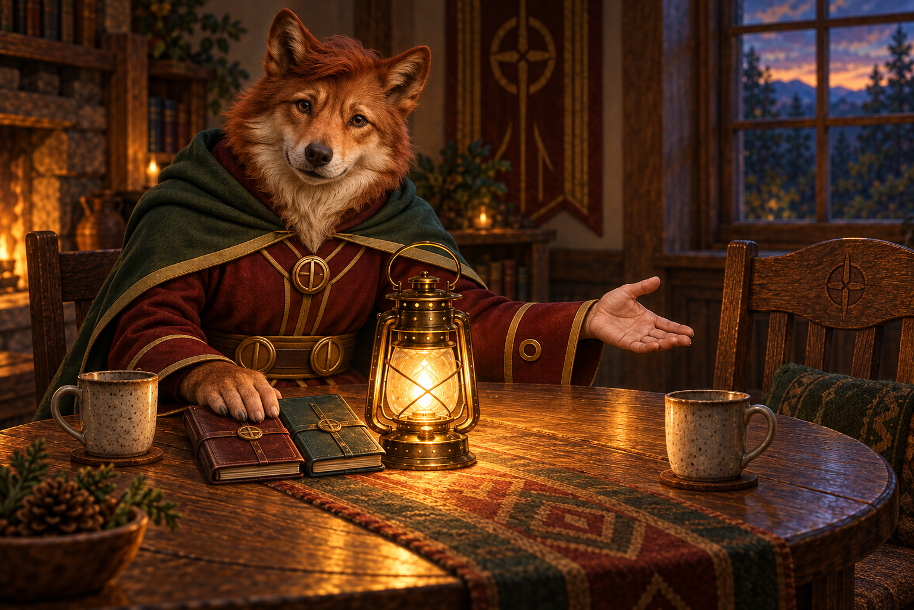
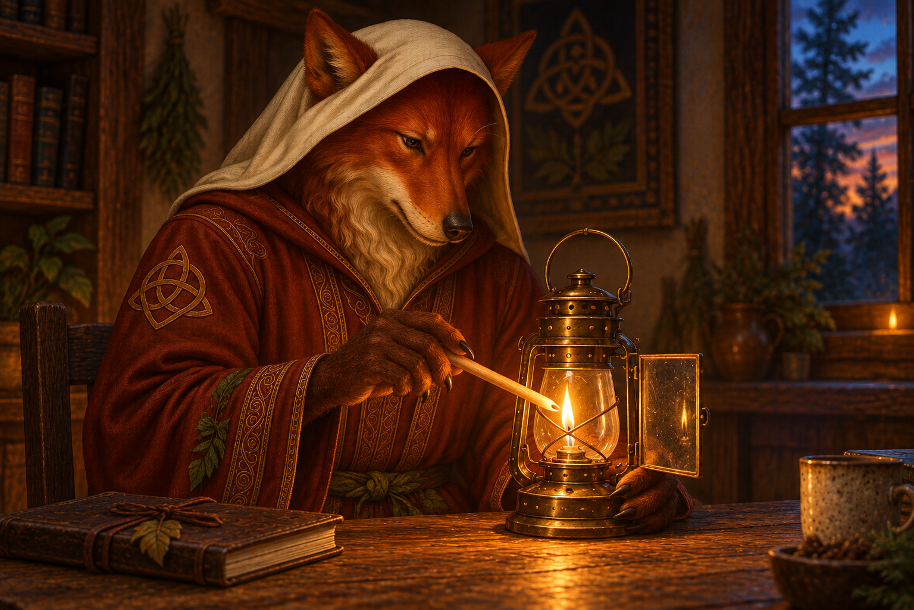

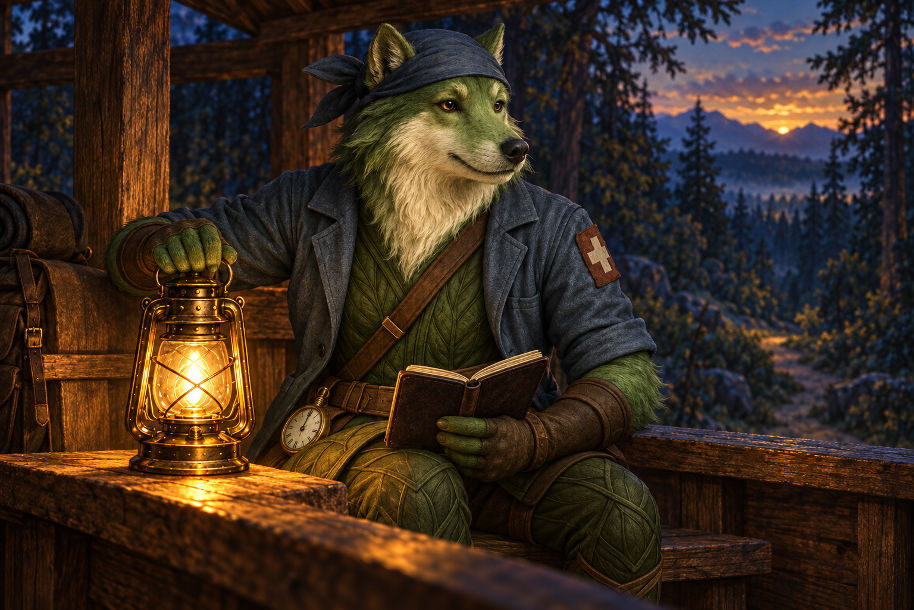

Capacities, not categories.
Inner Wolves is dynamic and developmental.
It describes what you can bring to a situation—not who you are fixed as.
All eight, in everyone
Everyone has all eight capacities. Access and support can vary with the situation, but no Wolf is exclusive to one kind of person.
Healthy use depends on the moment
Healthy use means drawing on a capacity in a way that serves the context. Overuse, underuse or a lack of support can narrow your choices.
Hero, Supporting, Shadow
These describe a present relationship with capacities, not fixed ranks. A Hero can be overused; Shadow is not evil, and is not a low score.
Deliberate choice
Development means awareness, range, balance and deliberate choice—not becoming one Wolf or suppressing another.
Awareness
Noticing which capacities you tend to reach for, and which a situation invites.
Range
Having more than one response available, so choice is not narrowed to habit.
Balance
Drawing on a capacity in a way that serves the context—neither overused nor absent.
Notice your patterns.
Keep your possibilities open.
The existing Inner Wolves assessment explores reported preferences and habits. A profile is a snapshot for reflection—not a verdict on who you are.
Take the Assessment ↗From responses to
reflection.
Reports bring assessment responses into a reflective narrative you can explore in real situations—supporting development, not labelling.
Explore the Reports →Standard Profile
An overview of your eight-Wolf profile and patterns for reflection.
Communication Style
Explores communication patterns and ways of considering other perspectives.
Leadership Insights
Explores leadership patterns, strengths, pressures and questions for development.
Team Report
Explores collective patterns and how different perspectives can contribute to the team’s work.
Continue the practice.
Two resources extend Inner Wolves from understanding into everyday reflection.

The Handbook of Micro-Practices
A resource for choosing and reflecting on small behavioural practices in real situations. The Handbook brings together a chapter per Wolf, reflection prompts and a personal practice/review structure.
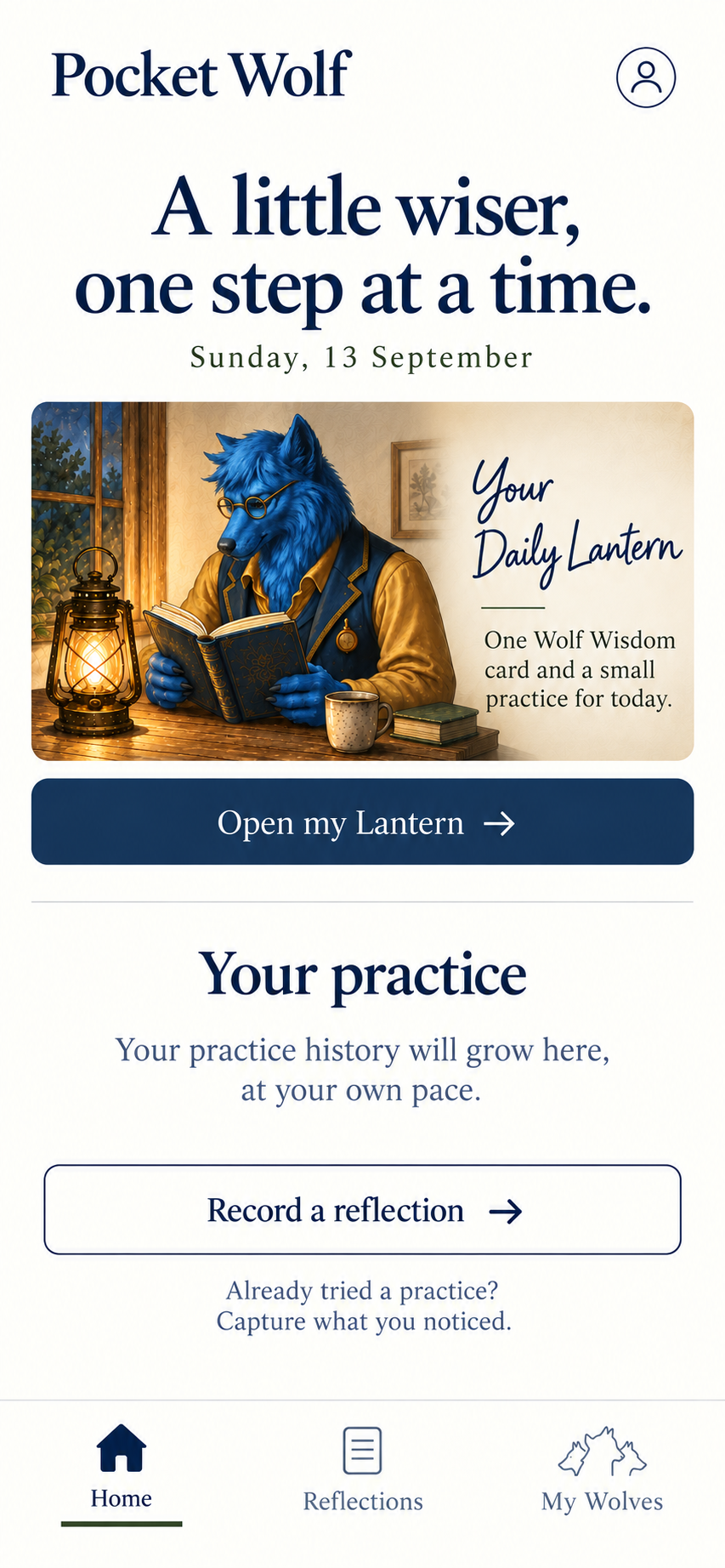
Pocket Wolf
Being developed as part of the wider Inner Wolves ecosystem, Pocket Wolf is intended to bring Inner Wolves reflection into daily life—connecting understanding of the model with ongoing practice.